

Fix and Keep vs Fix and Hold: How the Exit Changes the Loan
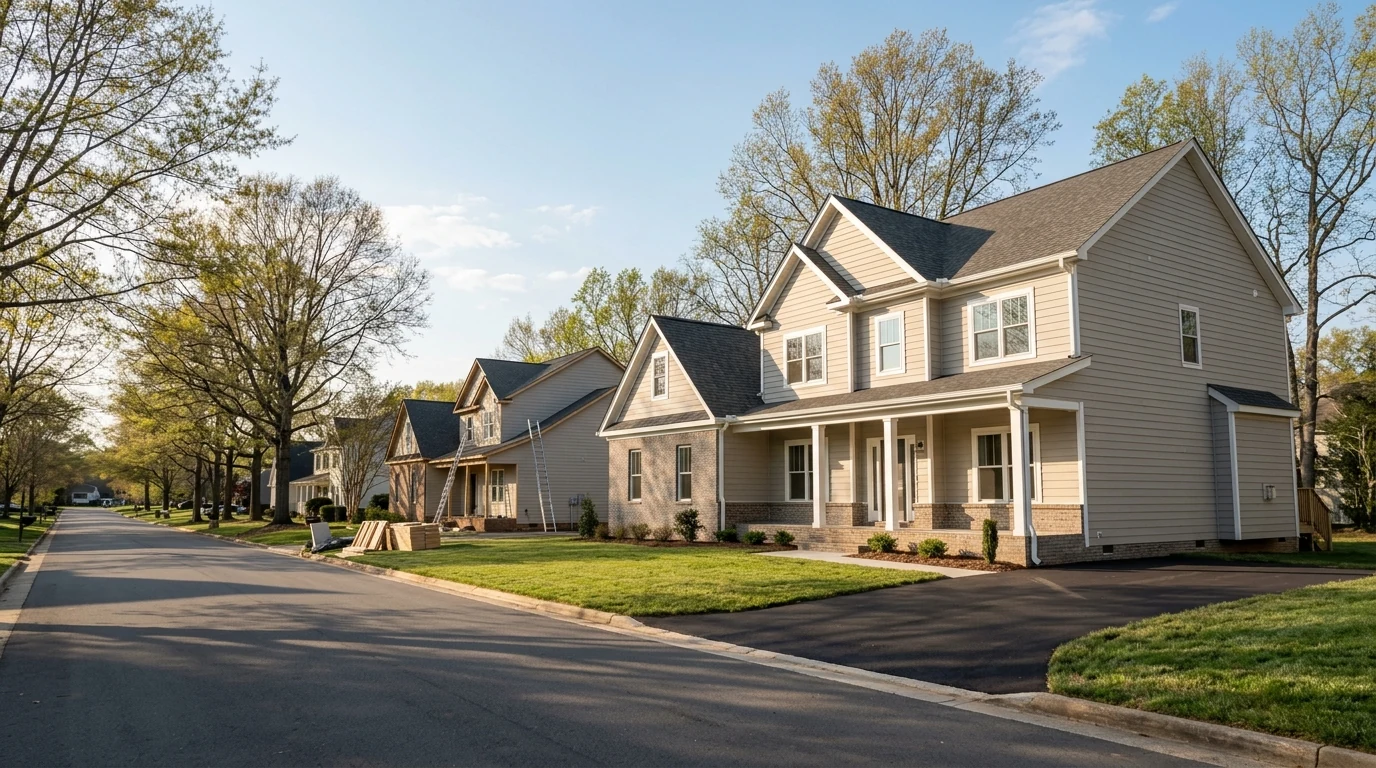
Fix and keep and fix and hold are the two paths where you finish the work and do not sell. Both are business-purpose financing for an investor, never a consumer product, and both end with the property still in your name. If you intend to sell at the end, the flip path has its own guide.
In Q1 2026, investors bought 19% of all US homes sold but accounted for only 7.8% of listings, the smallest investor listing share in five years (Redfin, May 2026). Investors are buying, and they are not selling.
Because both paths end the same way, investors assume the financing is the same. It is not. They are repaid by different things, and the repayment source is what a lender actually underwrites.
Here is what separates them, what a lender asks on each, what each one costs to carry, and what to do when the exit changes halfway through the job.
> Key Takeaways
> - Fix and keep means no sale and no tenant. Fix and hold means the property is rented and produces income. That single difference drives the underwriting.
> - Investors bought 19% of US homes sold in Q1 2026 and made only 7.8% of listings (Redfin, May 2026), so the exit changes more often than investors plan for.
> - A hold is underwritten on rent comps and vacancy. A keep is underwritten against the rest of your business.
> - Eos Loan is a direct lender with flexible terms sized to the plan and no dealer fee, subject to approval and eligibility.
Talk to our team about financing your next project
What is the difference between fix and keep and fix and hold?
Fix and keep means you buy the property, improve it and keep it, with no sale and no tenant. Fix and hold means you buy, improve it and rent it out, so the property produces income. Single-family houses made up 70% of investor purchases in Q1 2026 (Redfin, May 2026), so most of these calls get made one house at a time.
Investors conflate the two constantly, and the web does not help. Most content treats "fix and hold" and "buy and hold" as the same thing and ignores the unrented keep entirely. But the variable that separates them is not the strategy or the timeline. It is whether a tenant exists.
A tenant turns the property into a small operating business with revenue. No tenant leaves it as an asset you are carrying. Everything else follows from that.
| | Fix and flip | Fix and keep | Fix and hold |
|---|---|---|---|
| Exit event | A closed sale | None | Signed lease |
| What repays the loan | Sale proceeds | The rest of your business | Rent |
| Lender's first question | What do the sale comps say? | What else covers the payment? | What do the rent comps on that block say? |
| Finish spec optimizes for | The listing photo | Optionality later | Durability under a tenant |
| Biggest risk | The sale does not clear | Carry with nothing offsetting it | Vacancy and soft rent growth |
!A single-family house under construction in daylight, with two people reviewing plans on site.
All three paths are financed the same way at Eos Loan, as business-purpose financing for residential real estate projects. What changes between them is the file, not the product.
Why does the exit change the loan?
The exit names the repayment source, and the repayment source is what gets underwritten. A flip is repaid by a sale that has a clock attached to it: flips took an average 165 days from purchase to resale in Q1 2026 (ATTOM, July 2026). A hold and a keep have no sale date at all, so something else has to service the debt.
There are only three repayment sources in residential investing. Sale proceeds, rent, or cash from the rest of the business. Each one gets verified differently. Sale proceeds mean sale comps and days on market. Rent means rent comps, vacancy and turn cost. Business cash flow means bank statements, completed projects and reserves.
A plan with no exit event is not a weaker deal, just a differently structured one. What it needs is a clearly named second repayment source, named at application rather than discovered later.
That is also why we describe terms as flexible and size them to the plan. A property that will be rented in 60 days and one you intend to carry through a second phase of work are not the same file, even at the same purchase price. Every structure is subject to approval and eligibility.
What does a lender ask on a fix and hold deal?
On a hold, rent is the repayment source, so underwriting shifts from sale comps to rent comps, and conservative rent assumptions matter far more than optimistic ones. US single-family rents grew just 1.3% year over year in May 2026, down from 2.6% a year earlier (Cotality, formerly CoreLogic, July 2026). The rent you hoped for is not evidence.
The first thing to get right is the geography of the comp. Metro-level rent growth is a headline. What repays your loan is what a tenant will pay on that block, in that school zone, for that bedroom count.
Look at where the slowdown landed. Low-end single-family rents grew 0.4% year over year in May 2026 against 2.2% at the high end (Cotality, July 2026). The entry-level house is exactly the one most investors buy, and it is the tier where rent growth has flattened hardest. Underwrite the tier you are actually in.
Vacancy is a line item, not a rounding error. The national rental vacancy rate was 7.3% in Q2 2026, not statistically different from 7.0% a year earlier (US Census Bureau, July 2026). A hold that only works at 100% occupancy is a hold that does not work.
Then come the costs the pro forma usually skips. Turn cost between tenants. Insurance priced for a tenanted property rather than an empty one. And the finish spec itself, chosen for durability under a renter instead of for a listing photo, which is a different budget in the same house.
Your own record matters too. Completed projects, how the last one performed, and how credit history reads all enter the file, and we cover how credit history factors into an approval decision separately. Every file is subject to approval and eligibility.
See how business-purpose financing fits your deal
What does a lender ask on a fix and keep deal?
With no sale and no tenant, the repayment source is whatever else your business earns, so the conversation moves from the property to the operation behind it. Investors who did sell in Q1 2026 took a median capital gain of $196,618, up 5.3% year over year (Redfin, May 2026). That number is exactly why some investors would rather wait than list into a slow month.
There are good reasons to keep. Waiting on a comp that has not printed yet. A second phase of work you have not funded. Lot value in a block that is visibly improving. A market you believe turns in two quarters. Those are strategies.
"I will figure it out later" is not one of them, and it is the answer that costs the most.
!A finished, unfurnished living room in a small house, lit by daylight through large windows.
What a lender wants to see on a keep is straightforward: business cash flow that covers the payment without the property, a record of finished projects, reserves that survive a bad quarter, and a decision date. Naming that date when there is no sale date is the most useful discipline on this path.
Then there is the honest cost gap between the two paths, and it is worth stating plainly rather than burying. On a keep, taxes, insurance, utility bills and maintenance all run with nothing offsetting them. On a hold, rent offsets those same costs whenever the unit is occupied. Same house, same work, very different monthly reality.
That gap is not an argument against keeping. Plenty of keeps are the right call. It is an argument for pricing the carry before you commit, not in month four.
What happens when the exit changes mid-project?
The gap between what investors buy and what they list says the exit changes more often than anyone plans for. Investors bought 19% of US homes sold in Q1 2026 and made only 7.8% of listings, the smallest share in five years (Redfin, May 2026). Some of that gap is deliberate hold strategy. Some of it is a sale that did not clear.
Here is the part competitors leave out. Everyone writes about keep and hold as if the exit were chosen cleanly on day one. For a large share of deals it is not. Fix and keep is frequently not a plan at all. It is what happens when the sale does not go the way you modeled it, and a fallback works far better when the loan was structured with it in view.
The flip that becomes a keep is the hard version, because nothing is generating and the carry is naked. The keep that becomes a hold is the easier version, because you are adding a repayment source rather than removing one.
> What I see: the investors who name a hold exit at application, and who turn out to be right about the rent, are in a completely different conversation from the ones who file as a flip and call three months later because the sale is not moving. Nothing about the property changed. What changed is how much room there was to work with. That is a pattern I have watched across applications, not an approval rule, and every file is still subject to approval and eligibility.
So tell the lender before the plan changes, not after. A repayment source revised while everyone is calm is a conversation. Revised under pressure, it is a problem.
Before you apply, run what we call the Exit Test. Four questions, answered honestly, in this order:
1. Is there a sale date you would actually accept? Not a hoped-for date. A date and a number you would sign at.
2. Will the property produce rent within 60 days of the final inspection, and do comps on that block support the number? Block level, not metro level.
3. If neither is true, what else in your business covers the payment? Name the account, not the intention.
4. What is your decision date if the answer changes? Put it on the calendar before the work starts.
A yes on question one points to a flip. A yes on question two points to a hold. A yes only on question three is a keep, and it is a legitimate one as long as question four has an answer. No yes anywhere means the deal is not financed yet, it is just optimistic.
!A project checklist and site plans on a clipboard resting on a windowsill in daylight.
Term structure is where that answer lands. If the vocabulary is unfamiliar, start with how term length and monthly payment relate, then bring the numbers back to the four questions above.
How does financing these paths with a direct lender work?
Eos Loan is a direct lender. We originate, underwrite and service the credit ourselves, so you work with one team from application to funding instead of getting handed between a broker and whoever ends up holding the paper. To date we have originated $4B+ and processed 30k+ proposals across our lending programs.
We finance all three paths, fix and flip, fix and keep and fix and hold, as business-purpose credit only. Terms are flexible and sized to the plan, and Eos Loan charges no dealer fee. Every application is subject to approval and eligibility.
If the distinction between lender types is fuzzy, we broke down the difference between a direct lender and a marketplace in detail. You can also read who we are before you send anything over.
What that changes on a keep or a hold specifically: when your exit shifts, you are talking to the people who made the original decision, not filing a request with a servicer who inherited the file from someone else.
---
Ask about flexible terms for fix and flip projects
Or call +1 833-989-3737 to talk through a keep or hold project with our team. More common financing questions are answered on our FAQ page.
---
{ question: "What is the difference between fix and keep and fix and hold?", answer: "Both end with you owning the property. Fix and keep means no sale and no tenant, so the payment comes from the rest of your business. Fix and hold means the property is rented, so it produces income that services the debt. Single-family houses were 70% of investor purchases in Q1 2026 (Redfin, May 2026)." }, { question: "Is fix and hold financing different from fix and flip financing?", answer: "Yes, because the repayment source is different. A flip is repaid by a sale, and flips averaged 165 days from purchase to resale in Q1 2026 (ATTOM, July 2026). A hold is repaid by rent, so rent comps, vacancy and turn cost carry the underwriting instead of sale comps." }, { question: "Can you turn a flip into a rental after the work is done?", answer: "It happens often. In Q1 2026 investors bought 19% of US homes sold and made only 7.8% of listings (Redfin, May 2026). Tell your lender before the plan changes rather than after, since the repayment source is what was underwritten. Any change is subject to approval and eligibility." }, { question: "What do lenders look at on a rental exit?", answer: "Rent comps on that specific block, realistic vacancy, turn cost between tenants, insurance priced for a tenanted property, and your record on finished projects. The national rental vacancy rate was 7.3% in Q2 2026 (US Census Bureau, July 2026), so occupancy assumptions get read closely." }, { question: "Does Eos Loan finance projects that are not flips?", answer: "Yes. Eos Loan is a direct lender for business-purpose residential real estate projects across fix and flip, fix and keep and fix and hold, with flexible terms sized to the plan and no dealer fee. Every application is subject to approval and eligibility." } ]} />What the exit really decides
Both paths end with you holding the property. That is where the similarity stops, and treating it as the whole story is how investors end up with a loan built for a plan they no longer run.
- Fix and keep and fix and hold are repaid by different things, so they are underwritten differently.
- A hold lives or dies on block-level rent comps and honest vacancy, not on the rent you hoped for.
- A keep is underwritten against the rest of your business, so the business has to be able to carry it.
- The honest cost gap is simple: rent offsets carry on a hold, and nothing offsets it on a keep.
- Name the exit at application, and name a decision date in case it changes.
Run the Exit Test before you send an application, not after the drywall is up. When you have your answers, business-purpose financing for residential real estate projects is a conversation, not a form.
---
About the author: Eduardo Donadi is the CEO of Eos Loan, a US direct lender financing essential projects including business-purpose real estate, truck fleet expansion, battery energy storage, EV chargers, and water filtration. He works directly with investors on how fix and flip, fix and keep and fix and hold projects get structured and funded.
---
Sources
1. Redfin. "Investor Report, Q1 2026." Published May 2026. Retrieved 2026-08-27. https://www.redfin.com/news/investor-report-q1-2026/
2. Cotality (formerly CoreLogic). "Annual Single-Family Rent Growth Remains Below Trend." May 2026 data, published July 2026. Retrieved 2026-08-27. https://www.cotality.com/press-releases/annual-single-family-rent-growth-remains-below-trend
3. US Census Bureau. "Housing Vacancy Survey, Q2 2026." Published July 2026. Retrieved 2026-08-27. https://www.census.gov/housing/hvs/current/index.html
4. ATTOM. "Q1 2026 US Home Flipping Report." Published July 2026. Retrieved 2026-08-27. https://www.attomdata.com/news/market-trends/flipping/q1-2026-home-flipping-report/