Never lose power. Even during outages.
Texas leads the country in grid interruptions: more than 90 events a year, and storms that have left millions of homes dark for days. A battery system takes the house over automatically in under 20 milliseconds. The family never notices the transition.
Free and no obligation · 2-minute planner · remote photo survey
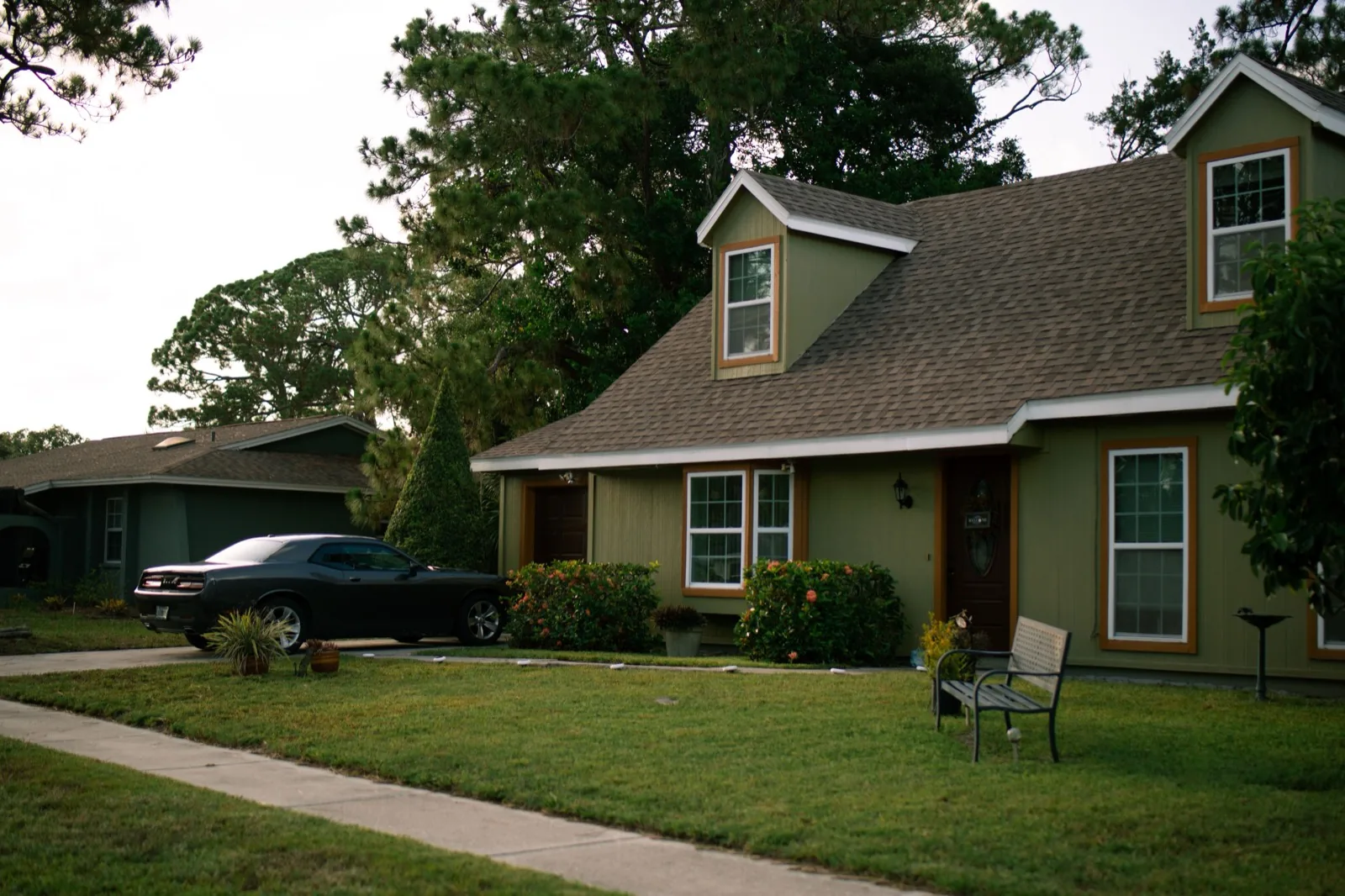
Backup power without the noise, the fuel or the fumes.
Silent
Under 25 dB. Nothing to hear from inside the house, and nothing for the HOA to object to.
No fuel, no fumes
No gasoline to store, no exhaust, no carbon monoxide near the house.
No maintenance
Nothing to service between outages. An annual inspection is included in the service plans.
Automatic
No switch to flip and no waiting for a start-up cycle. The house simply stays on.
Own it. Don't rent it.
Most of the market sells backup power as a subscription: you pay every month and the equipment is never yours. With Eos the system belongs to the customer from the start, and it stays with the property as an improvement to it.

A modular system, sized to the house.
One controller pairs with up to six battery modules: 54 kWh in a single stack, or 45 kWh when the bidirectional charger is fitted. Multiple stacks combine when the load calls for it.
Battery module
9 kWh nominal, 8.76 kWh usable. LFP chemistry, stackable architecture.
Smart controller
11.5 kW continuous, 17.1 kW surge, with the hybrid inverter built in: battery, grid and solar input managed by one unit.
Smart panel
Circuit management and load shedding integrated into the panel. No separate gateway to install.
V2X bidirectional charger
25 kW DC. The electric vehicle becomes a backup battery: a typical EV carries 60 to 100 kWh, more than the largest fixed plan. CCS1 or NACS, dozens of models supported.
Monitoring app
Remote tracking, outage notifications and remote diagnostics.
10-year warranty
Battery, controller and panel, with a contractual minimum of 70% capacity retention at the end of the term.
Residential and commercial sizing.
Six to thirty hours of runtime on essential loads, depending on the size of the system and what the house is running.
Sized to take the place of a 50 to 100 kW diesel standby generator.
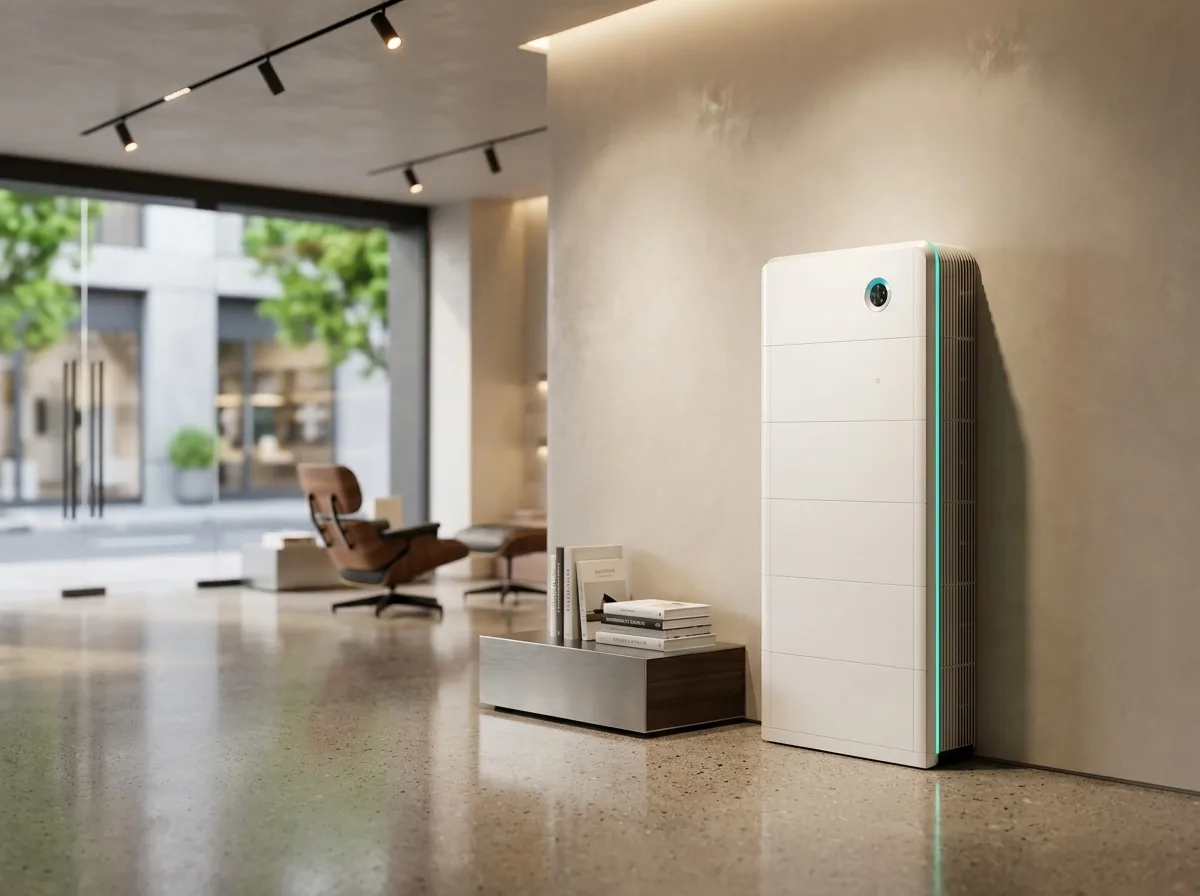
Equipment only, or equipment with installation.
Equipment only
A single battery or a multi-module system, controller and load hub, V2X module and EV charging infrastructure, shipped to Texas and to other states.
Equipment and installation
The complete project across the Texas metros (Houston, Austin, Dallas, Fort Worth and San Antonio), with expedited scheduling in Greater Houston.
Service from assessment to commissioning.
Free assessment
A two-minute digital planner and a remote site survey from photos. No obligation.
Sizing and design
Done in-house, against the loads the house actually needs to keep running.
Permitting
We coordinate the municipal permits and the utility interconnection, typically two to four weeks.
Installation
One to two days, by licensed and insured local contractors coordinated by Eos.
Commissioning
Inspection and continuous monitoring, with an annual inspection included in the service plans.
Contract to energization: typically 3 to 6 weeks.
Financed by the same group that installs it.
Where the customer and the state are eligible, Eos finances the project through its own credit structure: the same company on the equipment, the installation and the loan. Or pay in full and own the system outright from day one.
Illustrative. Rates shown are the rates we lend at. Your rate depends on your credit tier and the term you choose, and it is confirmed after the credit decision. This is not an offer of credit.
Request a free assessment.
A free assessment, a two-minute planner and a remote survey from photos, then a straight answer on sizing and cost.
How long does the battery run the house? +
Residential systems range from 9 to 45 kWh, which is roughly six to thirty hours on essential loads. The exact figure depends on the size of the system and on what you choose to keep running.
Do I own the system or subscribe to it? +
You own it. Eos does not sell backup power as a subscription. If the project is financed, the system is still yours: you are paying off equipment you own, not renting it.
Can I buy the equipment without installation? +
Yes. Equipment-only orders ship to Texas and to other states. Full installation is offered across the Texas metros, with expedited scheduling in Greater Houston.
Can my electric vehicle back up the house? +
With the bidirectional 25 kW DC module, yes. A typical EV carries 60 to 100 kWh, more than the largest fixed plan. Dozens of models are supported, over CCS1 or NACS connectors.
What does the warranty cover? +
Ten years on the battery, the controller and the panel, with a contractual minimum of 70% capacity retention at the end of the period.
Will checking financing affect my credit score? +
No. The eligibility check is a soft pull and does not affect your score. There is also no prepayment penalty if you decide to pay the balance early.